Cultural Tours

Cultural tours.
The country —
not a checklist.

Slow journeys through Bhutan's dzongs, valleys and monasteries. The kind of trip where you sit in courtyards, drink butter tea with a Bhutanese family, and learn what a country actually feels like before you leave it.

We're refreshing this catalogue. In the meantime, write to us and we'll build a trip from scratch.

Bhutan culture

The living traditions
you'll meet on the road.

Seven threads that run through every Bhutan journey. Scroll through to read each.

Tshechu Festivals

Tshechu Festivals

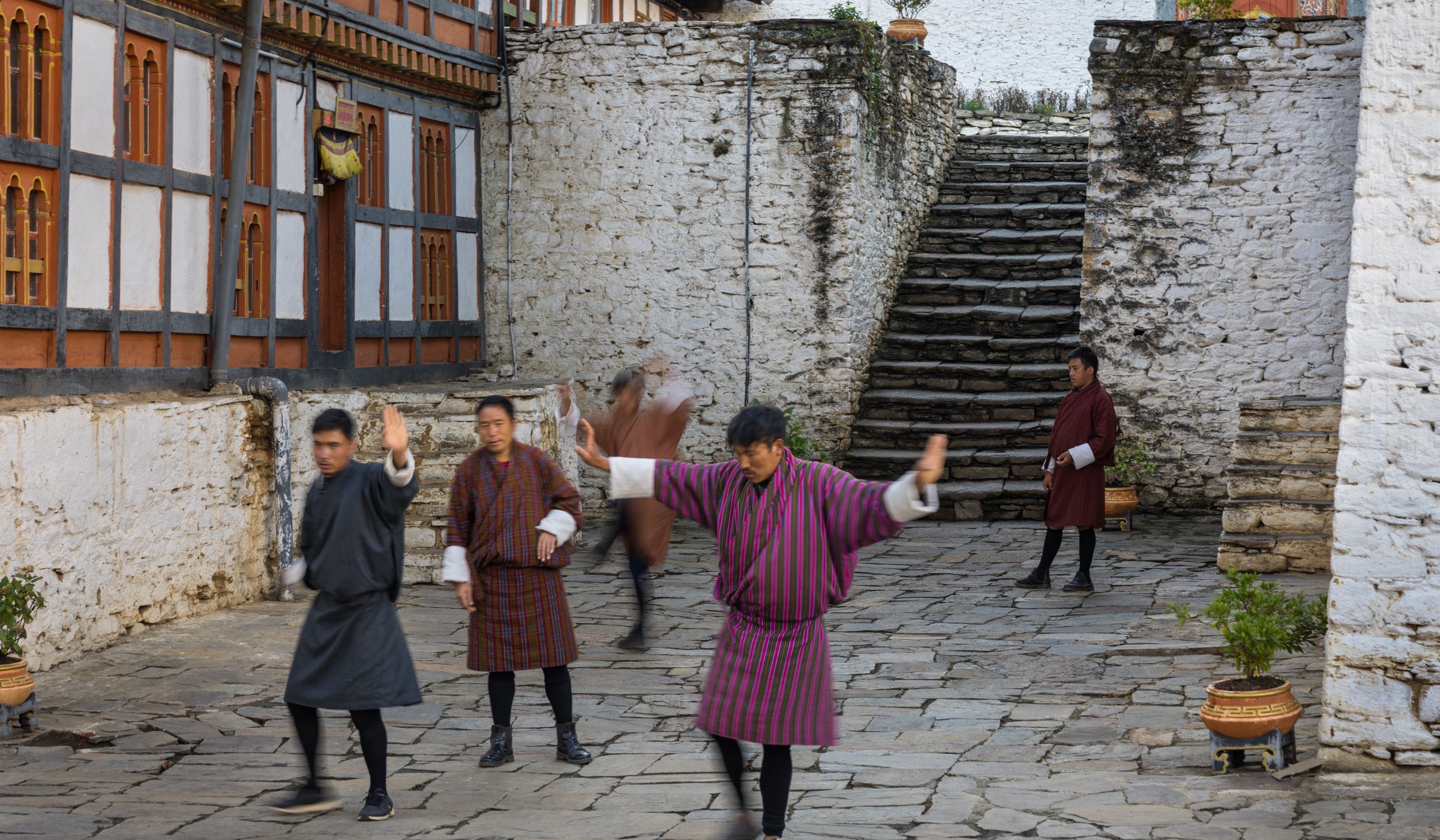
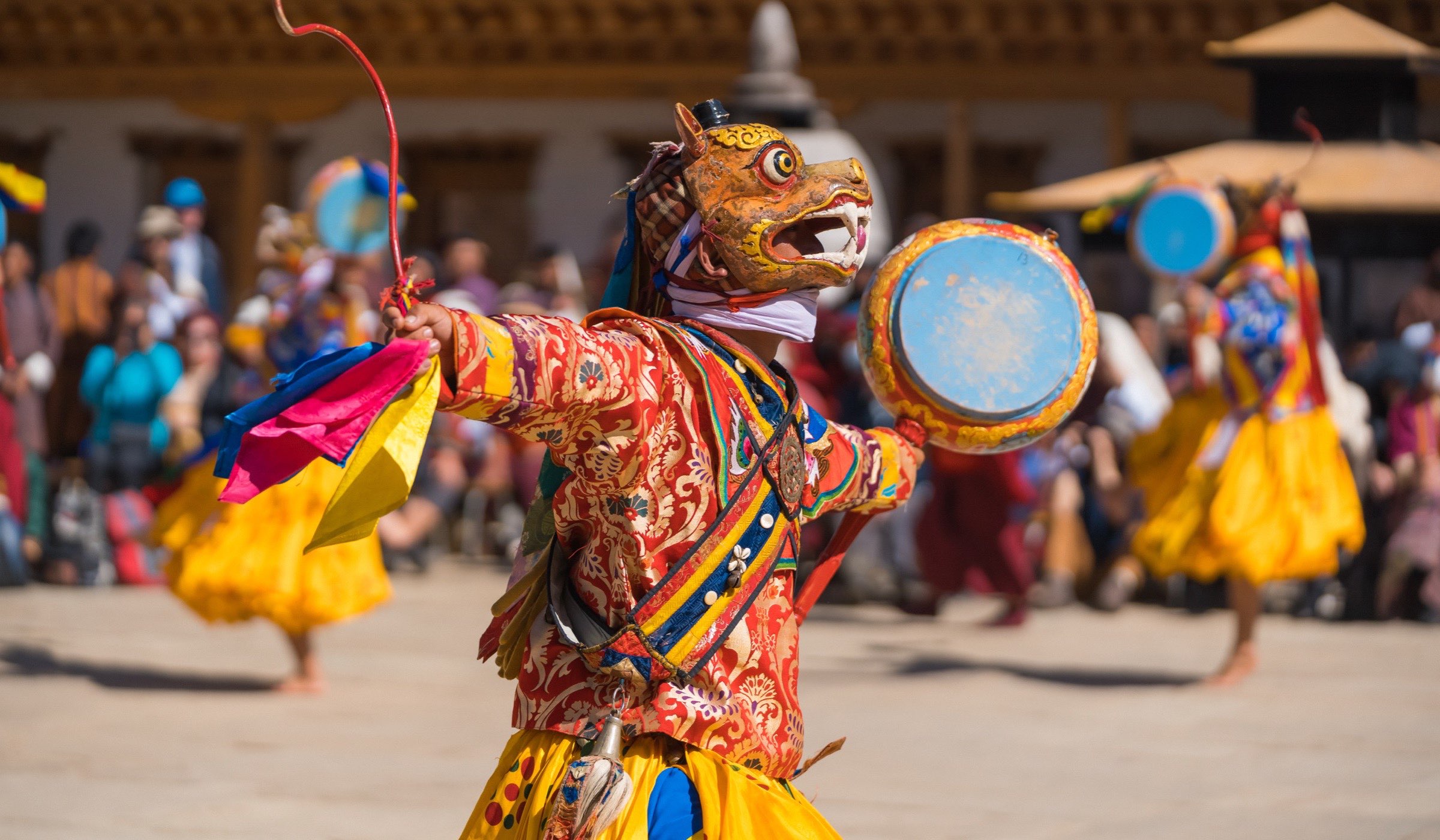
Annual mask-dance festivals held in the courtyards of every major dzong across the kingdom, on dates fixed by the Bhutanese lunar calendar. The dances — collectively called Cham — are choreographed Buddhist parables performed by monks in hand-stitched silk robes and carved wooden masks.

The most spectacular are Paro Tshechu in March or April, Thimphu Tshechu in September, and Bumthang's Jambay Lhakhang Drup in late autumn. Front-row seats and dzong-side hotels book up nine to twelve months ahead.

On the final morning, before sunrise, the monastery unfurls a giant appliquéd thangka called a thongdrol — sometimes twenty-five metres across. Believed to grant liberation just by being viewed, it is the moment travellers tend to remember most.
Dzongs of the Valleys

Dzongs of the Valleys

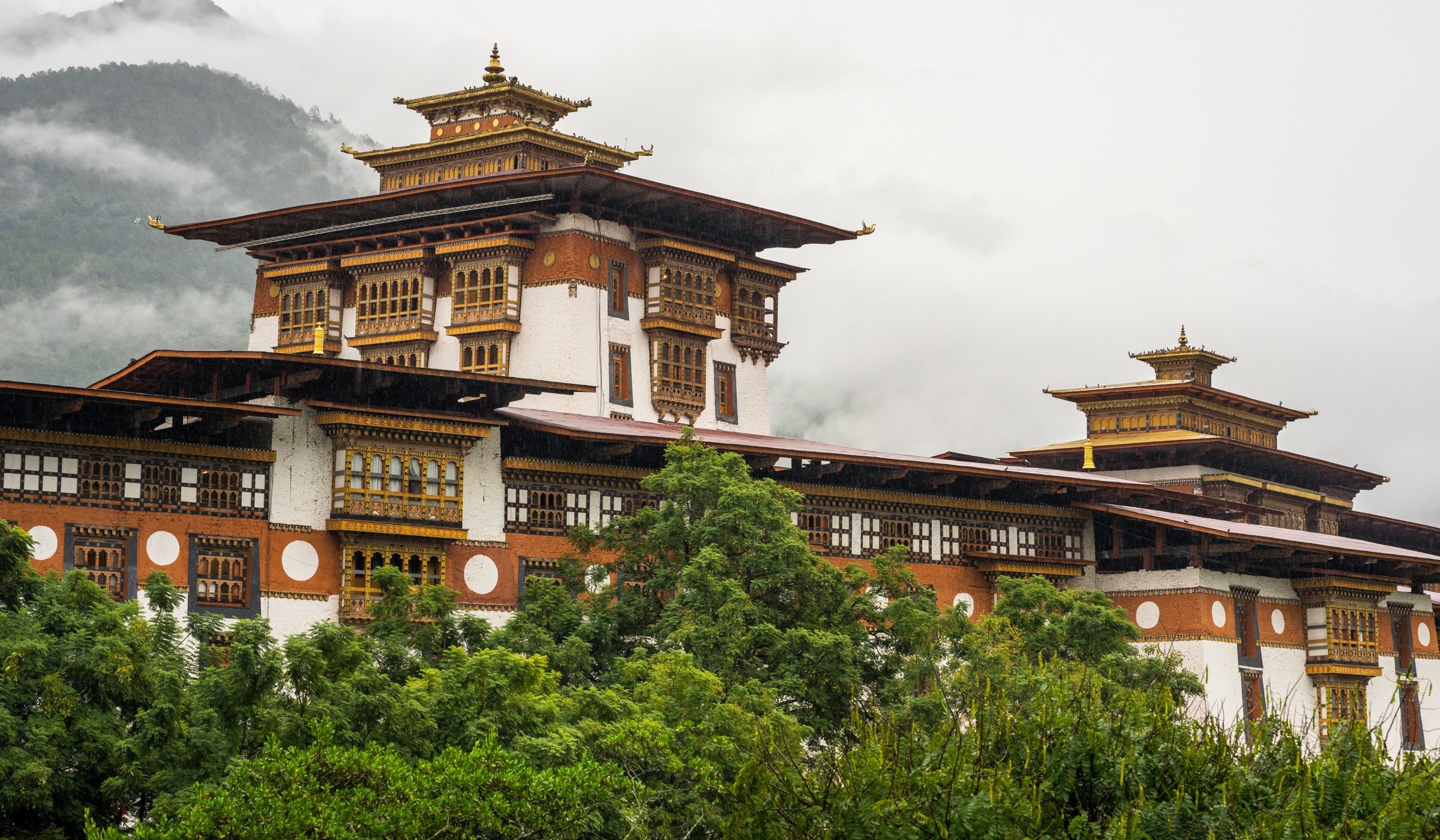
Built between the 12th and 17th centuries to serve as both administrative seat and monastery, dzongs are Bhutan's most distinctive architecture. The whitewashed walls with red ochre bands, the inward-sloping rammed-earth construction, the central tower housing the protective deity — every dzong follows the same template at a different scale.

The most beautiful is Punakha Dzong, at the confluence of two rivers and winter home of the chief abbot. Tashichho Dzong in Thimphu doubles as the seat of the King's government. Trongsa Dzong, perched on a ridge over a gorge, controlled east-west passage when the country was unified.

Visitors enter through the eastern gate, climb stone steps to the courtyard, and follow a guide into the assembly hall. Photography is permitted in the courtyards but not in the temples.

Archery

Archery

The national sport of Bhutan, played across a 145-metre range — more than twice the Olympic distance of 70 metres. At that distance the target is the size of a paperback book. Hitting it is rare. Missing it is comic.

Teammates dance and sing when an arrow strikes home — short stylised victory dances, each phrase improvised to mock the opposing team. Missing is met with equally creative jeering. The result is a sport that is half competition, half theatre, and entirely social.

The traditional bow is bamboo, hand-fashioned, around 1.5 metres long. Modern competitive teams use carbon-fibre compounds, but most village ranges still see bamboo bows in regular use. Every village has a range.

Vajrayana Buddhism

Vajrayana Buddhism

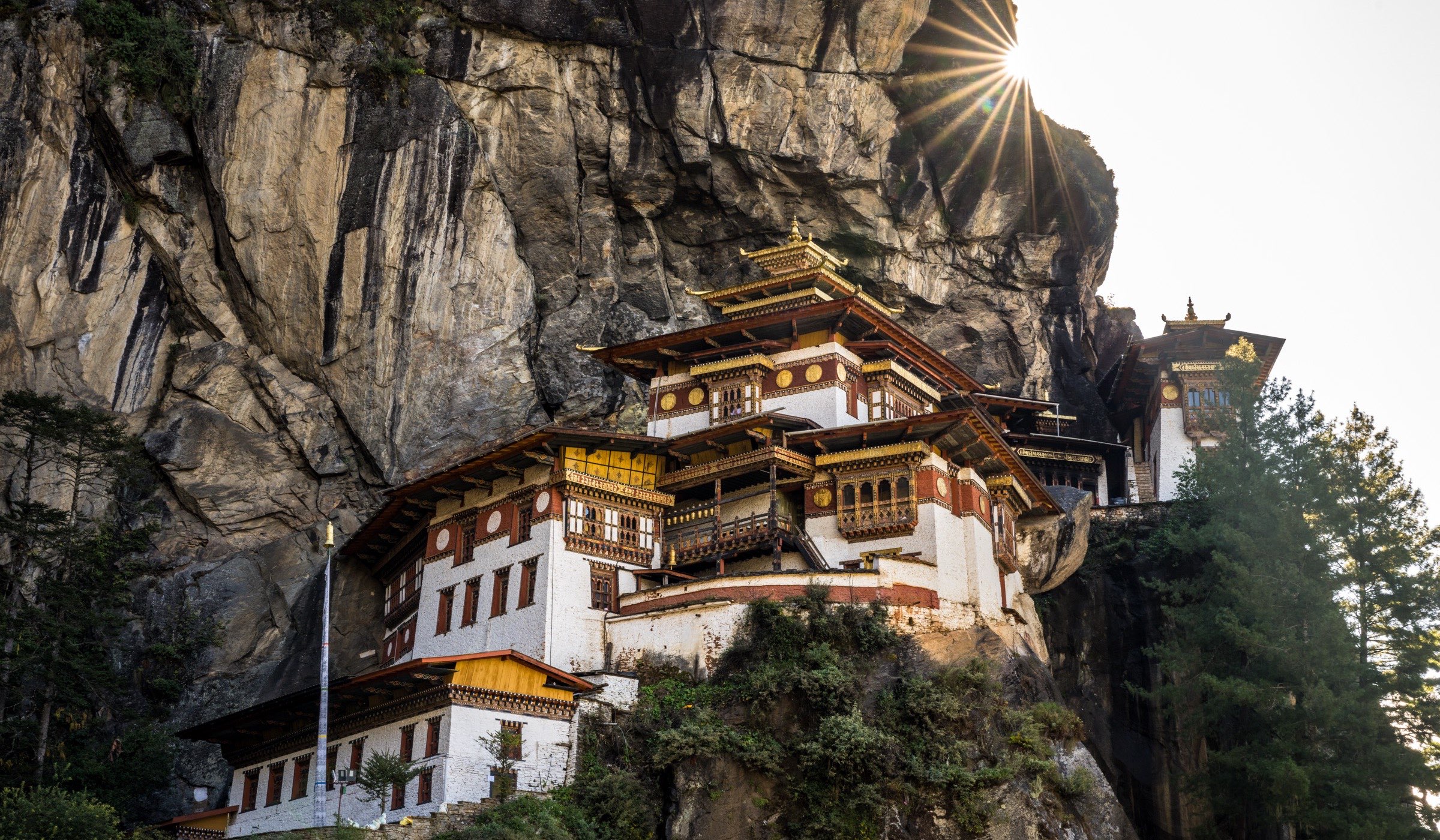
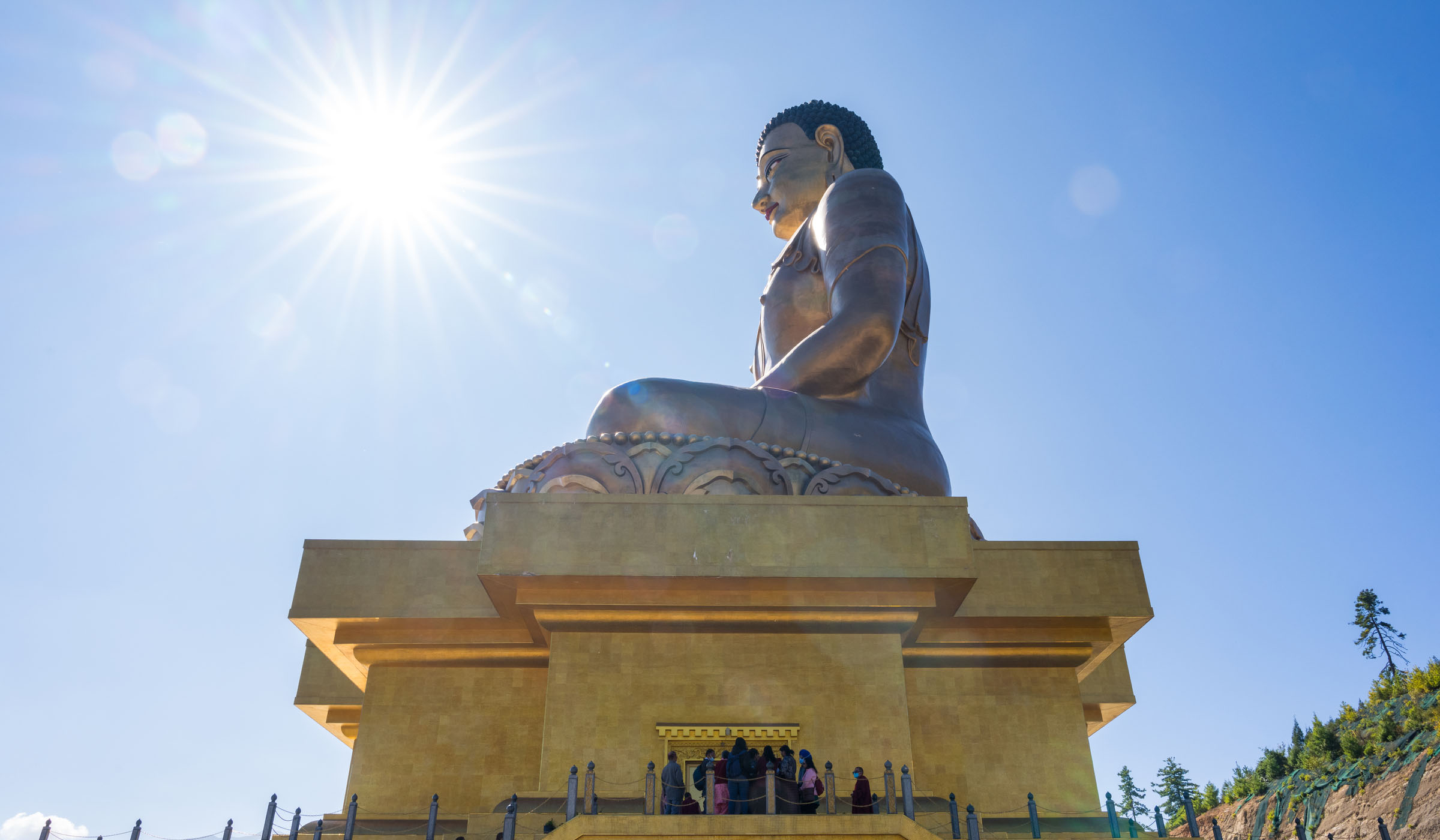
The tantric tradition that arrived in Bhutan in the 8th century, when Padmasambhava — known here as Guru Rinpoche — flew across the Himalayas on the back of a tigress, subdued the local demons, and meditated in caves across the country. Vajrayana is the state religion.

The tradition recognises Padmasambhava as the Second Buddha, places enormous weight on the bond between a student and an enlightened teacher, and uses tools — visualisations, mantras, ritual implements — that other Buddhist traditions consider esoteric.

At the village level, Vajrayana shows up as prayer flags on every pass, prayer wheels at every chorten, lit butter lamps, and the white tower at every road junction. The sacred is not separate from the everyday.

Prayer Flags

Prayer Flags

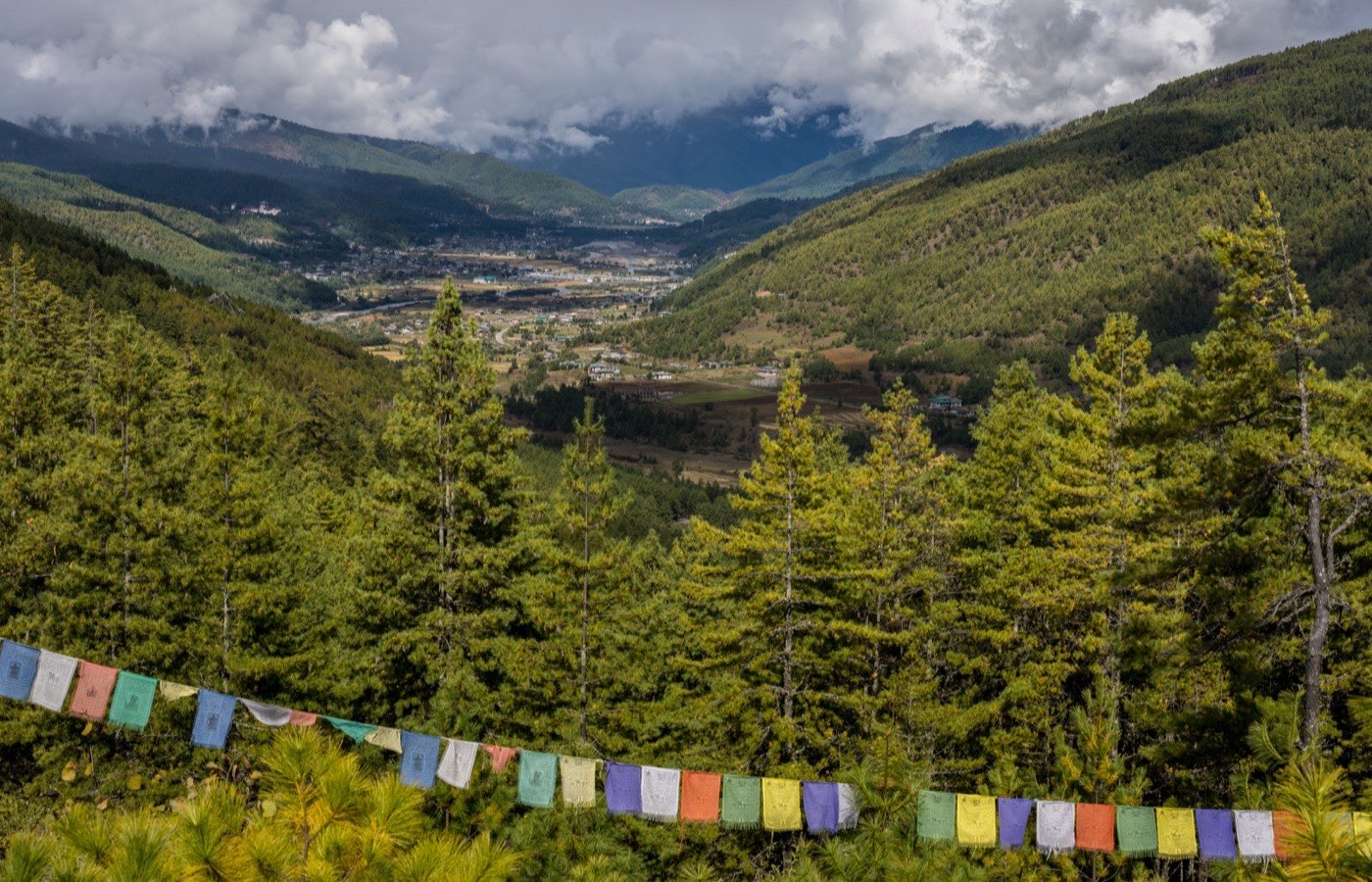
Strung across every high pass, river bridge, and rooftop in the country, prayer flags carry printed mantras into the world on the wind. Five colours, always in the same order — blue (sky), white (water), red (fire), green (wind), yellow (earth) — represent the elements that together make up everything in the universe.

There are two main types. The horizontal strings flown across passes are printed with the wind horse, believed to carry blessings to all directions. The vertical white flags planted along rivers are funerary — placed in sets of 108 to guide the dead toward a better rebirth.

Replacing worn flags each new year is an act of merit. Old flags are never thrown away — they are left in place to disintegrate naturally, releasing the last of their printed prayers as they go.

Gho and Kira

Gho and Kira

The national dress, made mandatory by royal decree in 1989 and worn daily by most Bhutanese to work, school, and court. The gho is a knee-length wrap robe for men, secured with a thin cloth belt and worn over knee-high socks. The kira is a full-length wrap for women with a fitted jacket on top.

For formal occasions men wear a kabney, a long ceremonial sash draped diagonally across the chest. The colour denotes rank: white for commoners, blue for district administrators, red for senior officials, yellow reserved for the King and the chief abbot.

For travellers: gho and kira are not required, but covered shoulders and knees are required for any visit to a temple or dzong. Your guide will let you know.

Food

Food

The national dish is ema datshi — chillies and cheese, with chillies the vegetable and cheese the sauce. Variants include kewa datshi (with potato), shamu datshi (with mushroom), and the famously hot suja datshi. All are eaten with hand-pressed bowls of red rice that turn the meal pink.

Beyond chillies: momos (Tibetan dumplings), paksha paa (pork stir-fried with dried red chillies), jasha maru (spicy chicken stew). Suja, the Bhutanese butter tea, is salted and churned; ara, distilled from rice or maize, is the village home-spirit.

Spice tolerance is a national prerequisite. Most travellers find ema datshi too hot at first. Hotels modify the heat for guests; ask your guide to take you to a village home for the real thing.

Plan Your Trip

Don't see your trip?
Tell us the one you'd take.

Most of our work is built from scratch. Send a sentence — when you'd come, who's travelling, what you care about — and we'll draft an itinerary in 48 hours.

  • Free itinerary design · You pay only when you confirm
  • Real Bhutanese guides · Licensed by the Department of Tourism
  • Private trips only · No groups, no shared transfers